
Introduction
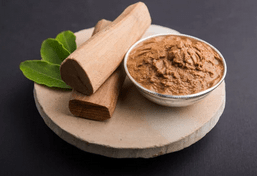
Sandalwood is a prized and versatile natural resource that has captivated hearts and minds for centuries. Its distinctive aroma, therapeutic properties, and cultural significance have made it a perennial favorite among aromatherapists, botanists, chemists, and essential oil experts. In this blogpost, we will delve into the fascinating realm of sandalwood, exploring its various types and shedding light on why the Santalum Album holds a special place in our hearts.
Understanding Sandalwood
Sandalwood is a fragrant tropical tree belonging to the genus Santalum. It is native to the Indian subcontinent, particularly the regions of India, Nepal, Bangladesh, and Sri Lanka. The wood of the sandalwood tree is highly valued for its rich fragrance and is commonly used for carving, religious rituals, and as a base for perfumes and incense.
Different Types of Sandalwood
The Sandalwood family or “Santalaceae” comprises around 1,000 species worldwide. However, there are 19 main recognized types.
Indian Sandalwood
1.- Santalum Album
- Origin: Santalum Album (Indian Sandalwood), also known as East Indian Sandalwood, is the most sought-after and revered species of sandalwood. Native to Southeast Asia, and Southern Indian (subcontinent), particularly India, Nepal, Bangladesh, and Sri Lanka.
- Extraction: The essential oil of Santalum Album is extracted through a steam distillation process from the heartwood of mature trees. The extraction process requires time and expertise to obtain the highest quality oil.
- Description: Santalum Album is a small to medium-sized evergreen tree with smooth bark and lance-shaped leaves, highly sought-after for the quality of its oil. The heartwood of Santalum Album is highly valued for its pale yellow to golden color.
- Smell Type: Renowned for its exceptional quality and aroma, Santalum Album offers a delicate and enchanting fragrance profile characterized by a harmonious blend of sweet, woody, and floral creamy notes. It is often described as soft, and long-lasting, making it highly desirable in the fragrance industry.
- Background: Santalum Album has a rich history of use in traditional Indian Ayurvedic medicine, and religious rituals, wherein it is believed to have calming and grounding effects. It is highly regarded for its exceptional quality, therapeutic properties, and cultural and spiritual significance. Santalum Album remains a preferred choice for perfumers, aromatherapists, and skincare formulators due to its esteemed reputation in the industry.
Australian Sandalwoods
2.- Santalum Murrayanum (Bitter Quandong)
- Origin: It is an Australian plant in the sandalwood family, Santalaceae.
- Extraction: The essential oil distilled from the heart-wood.
- Description: It is a small tree with a growing height of 1 to 5 meters (3 to 16 ft). It produces white to yellow-green flowers
- Smell Type: Velvety woody scent.
- Background: The Noongar name for the plant is coolyar. The plant is also known as Ming. It can be found on sandplains and dunes through the Wheatbelt, Great Southern and Goldfields-Esperance regions of Western Australia. It grows in gravelly lateritic and sandy soils.
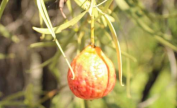
3.- Santalum Lanceolatum (Northern Sandalwood, True Sandalwood, Burdardu)
- Origin: The plant is naturally found across a wide region, stretching from north-western Victoria to North Queensland, and westwards across The Northern Territory into north-western Western Australia. It thrives in arid and semiarid inland areas, although it can also be found along the coast in Central Queensland and the Kimberley.
- Use: The essential oil distilled from the heart-wood. The people of the northwest have traditionally utilized this plant for its medicinal properties, and it holds significance within the local ‘Burndad song cycle’. In the Marra language, it is known as “dumbuyumbu,” a name also used in neighboring languages like Alawa and Roper River Kriol. Furthermore, the leaves of this plant can be burned to effectively repel insects.
- Description: The height of this plant can vary from 1 to 7 meters when fully mature. Its flowers display a range of colors, including green, white, and cream.
- Smell Type: Woody, grounding scent.
- Background: This plant is commonly referred to as desert quandong*, northern sandalwood, sandalwood, or true sandalwood. In certain regions, it is also known by the name burdardu.
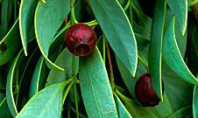
4.- Santalum Spicatum (Australian Sandalwood – Vulnerable Species)
- Origin: Australian Sandalwood (Santalum spicatum) is primarily native to Western Australia.
- Extraction: The essential oil is usually obtained through steam distillation from the heartwood of mature sandalwood trees.
- Description: It is a medium-sized tree with a range of colors, from pale yellow to light brown bark and slender branches.
- Smell Type: The scent of Australian Sandalwood oil is often described as a woody aroma with subtle earthy and sweet notes. Although it shares similarities with Santalum Album, the scent profile of Santalum Spicatum possesses distinct nuances that make it a favorite in perfumery and skincare products.
- Background: Australian Sandalwood has been used traditionally by indigenous communities and is known for its calming and grounding properties. Santalum Spicatum is valued for its fragrant properties and is commonly used as a base note in perfumery. It is also used in skincare products due to its potential therapeutic benefits and is considered a sustainable alternative to other sandalwood species.
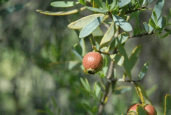
5.- Santalum Obtusifolium
- Origin: It is known as blunt sandalwood, it can be found in eastern Australia.
- Use: There are reports the fruit is edible, however, unlike other sandalwood species, little is known of its fruit, wood, or other uses.
- Description: Commonly it reaches a meter tall, although it can grow to 2.5 meters high.
- Smell Type: Woody scent.
- Background: The name “obtusifolium” is derived from Latin and describes the characteristic of the plant’s blunt leaves. It was initially documented in 1810 by Robert Brown, a prominent Scottish botanist, in his work titled “Prodromus Florae Novae Hollandiae.”
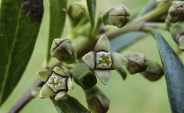
6.- Santalum Acuminatum (Native Peach or Desert Quandong)
- Origin: Santalum acuminatum, also known as Quandong or Native Peach, is native to arid regions of Australia.
- Extraction: While Santalum Acuminatum is not primarily cultivated for its fragrant properties, its seeds are used in traditional medicine and bush food. The extraction of essential oil from Santalum Acuminatum is not a common practice. However, it can be obtained through steam distillation from the nuts or seeds of the plant.
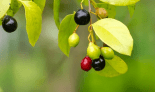
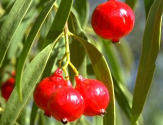
- Description: Santalum Acuminatum is a medium-sized shrub or small tree with greenish-gray foliage. It produces vibrant red fruits that resemble small peaches.
- Smell Type: The scent of Santalum acuminatum can be described as fruity, sweet, and mildly nutty.
- Background: Santalum acuminatum has been traditionally used by indigenous Australians and holds cultural significance. It is known for its potential skin benefits and nourishing properties. However, it is not widely recognized as a major source of sandalwood essential oil.
Melanesian Sandalwoods
7.- Santalum Austrocaledonicum (New Caledonian Sandalwood)
- Origin: New Caledonian Sandalwood is native to New Caledonia, a French territory in the Pacific Islands, particularly New Caledonia.
- Extraction: The essential oil of Santalum Austrocaledonicum is extracted from the heartwood of mature trees using various methods, including steam distillation or solvent extraction.
- Description: It has a golden yellow to light brown and deep reddish-brown color. It possesses a smooth, creamy, and luxurious woody fragrance. It is a small to medium-sized evergreen tree with dense foliage and elliptical-shaped leaves.
- Smell Type: The scent of New Caledonian Sandalwood is often described as woody, rich, and with floral understones.
- Background: New Caledonian Sandalwood has been utilized for various purposes, including medicinal, spiritual practices, and perfumery.. It is prized for its grounding and harmonizing properties.
8.- Santalum Yasi
- Origin: It is generally known to be found in Fiji, Tonga, and Niue. It is known as yasi or yasi dina in the Fijian language. The origin of Santalum Yasi is unclear, as it is not widely recognized or documented as a distinct sandalwood species.
- Extraction: Information regarding the extraction methods for Santalum Yasi is not available.
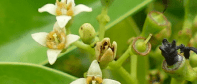
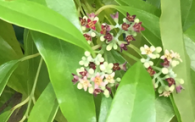
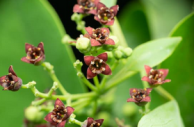
- Description: Small shrub that grows up to 8-10 m in height. The flowers are small and bell-shaped. Buds and newly opened flowers are cream coloured, and then turn to light pink through pink to dark red when they mature. (NatureFiji – MareqetiViti. 2008-04-23. Retrieved 2024-02-06)
- Smell Type: As there is limited information available, the specific smell type of Santalum Yasi cannot be determined.
- Background: This species of flowering plant belongs to the mistletoe family, Santalaceae. This requires further scientific investigation as its origin remains unclear.
Hawaiian Sandalwoods
9.- Santalum Paniculatum (Hawaiian Sandalwood or ‘Iliahi – Most Common)
- Origin: Santalum Paniculatum, also known as Hawaiian Sandalwood or ‘Iliahi, is native to the Hawaiian Islands. It primarily grows in the dry coastal regions of the islands.
- Extraction: The essential oil is typically extracted through steam distillation from the heartwood of mature sandalwood trees. Santalum Paniculatum has gained recognition for its sustainable production practices.
- Description: Hawaiian Sandalwood oil has a golden yellow color and a rich, woody aroma with sweet and earthy undertones. Santalum Paniculatum is a small to medium-sized tree with leathery, dark green leaves. The heartwood of Santalum Paniculatum is highly aromatic and known for its dark reddish-brown color.
- Smell Type: Fragrance noted for a unique blend of sweet, floral, and balsamic notes. The scent of Hawaiian Sandalwood is often described as warm, exotic, and relaxing.
- Background: Santalum Paniculatum is treasured in Hawaiian culture for its spiritual and medicinal properties. It has been used for centuries in traditional ceremonies and therapies. It is known fpr promoting calmness, and enhancing meditation practices.
10.- Santalum Pyrularium (Kauaʻi Forest Sandalwood)
- Origin: Lāʻau ʻala literally means “sweet wood” or “fragrant wood.”
- Extraction: The essential oil distilled from the heart-wood.
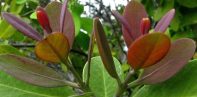
- Description: The leaf colors are dark to medium green. It can reach 30 to 50 feet in height. Flower color ranges from cream to purple and red.
- Smell Type: Sweet, woody smell.
- Background: These are considered hemiparasitic plants. Historically used by Hawaiian natives for lei making, as medicine, for clothing, and musical purposes as it was used to make ʻūkēkēs.

11.- Santalum Ellipticum (Coastal Hawaiian Sandalwood)
- Origin: Santalum ellipticum, also known as Coastal Sandalwood or ʻIliahialoʻe, is native to the Hawaiian Islands.
- Extraction: The essential oil is typically obtained through steam distillation from the heartwood of mature Santalum ellipticum trees.
- Description: Santalum ellipticum is a small tree or large shrub with elliptical-shaped leaves. The heartwood of Santalum Ellipticum is typically light brown in color.
- Smell Type: The scent of Santalum ellipticum can be described as woody, sweet, with hints of citrus. Its oil has a golden to amber color.
- Background: Santalum Ellipticum is valued for its potential use in perfumes and aromatic products, contributing to the local economy and promoting sustainable harvesting practices in the region. Native Hawaiians used a combination of ʻiliahialoʻe leaves and bark, along with naio (Myoporum sandwicense) ashes, to address kepia o ke poʻo (dandruff) and liha o ka lauoho (head lice). In addition, they utilized shavings of ʻiliahialoʻe mixed with ʻawa (Piper methysticum), nioi (Eugenia reinwardtiana), ʻahakea (Bobea spp.), and kauila (Alphitonia ponderosa) for the treatment of sexually transmitted diseases.
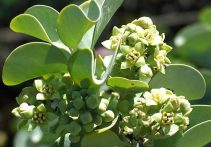
12.- Santalum Freycinetianum
- Origin: Commonly referred to as Freycinet Sandalwood or Pacific Sandalwood, is found in the Pacific regions, such as Fiji and Samoa.
- Extraction: The essential oil of Santalum Freycinetianum is extracted from the heartwood of mature trees using steam distillation.
- Description: Santalum Freycinetianum is a small to medium-sized evergreen tree with dark green, glossy leaves. The heartwood of Santalum Freycinetianum is aromatic and ranges in color from pale yellow to dark brown.
- Smell Type: Fragrance profile can vary but typically possesses warm and woody scent with sweet and balsamic notes.
- Background: Valued for its potential use in perfumery and has cultural significance in the Pacific regions, including traditional medicine and fragrant offerings.
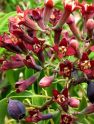
13.- Santalum Involutum
- Origin: This species is restricted to the island of Kaua‘i, the northwestern Nāpali coast, and Wainiha Valley in the north and the southern region of Wahiawā.
- Extraction: The essential oil distilled from the heart-wood.
- Description: It is a small evergreen tree with a common height of between 2–7 meters. It has yellowish-green to grayish-green, thin papery leaves, and greenish-white flowers.
- Smell Type: Not commonly used for aromatherapy.
- Background: It is not very clear how it originated, however, it has been hypothesized that this variant was created by an ancient hybridization event between the red-and white- flowering Hawaiian sandalwood clades.

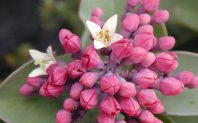
14.- Santalum Haleakalae (Rare and Endangered)
- Origin: Santalum haleakalae, also known as Haleakala Sandalwood, commonly referred to as Hawaiian Sandalwood, is a rare sandalwood species endemic to the Hawaiian island of Maui, particularly the Haleakala volcano region.
- Extraction: The essential oil is typically extracted through steam distillation from the heartwood of mature Santalum haleakalae trees.
- Description: Santalum Haleakalae is a slow-growing evergreen tree with dark green, leathery leaves. The heartwood of Santalum Haleakalae is known for its rich reddish-brown color.
- Smell Type: The scent is often described as warm, sweet, and luxurious.
- Background: Santalum haleakalae holds cultural significance in Hawaiian traditions and is known for its calming and grounding properties. It also has been historically used for spiritual practices and ceremonies.
Other Types
15.- Santalum Boninense (Nakai) Tuyama
- Origin: Also known as Bonin Sandalwood. Located in the archipelago Ogasawara-shoto, also known as Bonin Islands in Japan.
- Uses: It has been traditionally employed in medicinal practices to address symptoms such as fever, headaches, and skin ailments. Moreover, it is valued as an ornamental plant, commonly found in gardens and parks.
- Description: It is a petite evergreen tree that originates from the Bonin Islands in Japan. With a dense, wide-spreading crown, it reaches a maximum height of 10 meters. The leaves of this tree are lanceolate in shape, obtuse at the tip, and can reach a length of up to 6 cm. It has small white flowers clustered in tiny heads. Their seeds are small, black and glossy.
- Smell Type: Woody.
- Background: It is a hemiparasitic tree and grows primarily in the subtropical biome. It thrives in dry sclerophyll forests, woodlands, as well as heathlands and sandplains.

16.- Santalum Papuanum (Summerh)
- Origin: This scrub can be found in Papua, New Guinea. It is a lesser known variety of Sandalwood in the market.
- Extraction: The essential oil distilled from the heart-wood.
- Description: Slender finely branched tree with a rough brown bark.
- Smell Type: Slightly strong, spicy bark smell.
- Background: Papua Sandalwood trees, known for their impressive height of over 20 meters, play a vital role in supporting the local communities as a sustainable source of building materials. The residents depend on the trading of this valuable wood to sustain their livelihoods. Given the challenging mountainous landscape without many bridges or roads, water transportation serves as the primary means of transporting the coveted Papua Sandalwood.
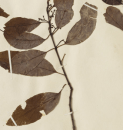
17.- Santalum Macgregorii (Threatened)
- Origin: It can be found in Papua New Guinea and Indonesia.
- Extraction: The essential oil distilled from the heart-wood.
- Description: It can range from small to medium, reaching heights of 8-20 meters. The tree has rough bark with a moderate tessellated pattern. Its leaves are light green.
- Smell Type: Woody, floral.
- Background: The commercial utilization of sandalwood in Papua New Guinea (PNG) started in the late 1800s. By 1980, approximately 9,000 tons of sandalwood had been exported, leading to the potential removal of around 180,000 trees. Today, the trade is relatively insignificant due to the limited availability of this resource.
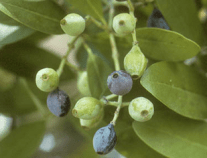
18.- Santalum Insulare Bertero (Endangered)
- Origin: It is an endangered species, located in the South-central Pacific. Endemic to eastern Polynesia and found in nine different botanical varieties in French Polynesia, the Cook Islands, and Pitcairn Islands.
- Extraction: The essential oil distilled from the heart-wood.
- Description: This plant is classified as a shrub or small tree of around 8-12 meters height. The bark of this plant starts as brown-black and develops fissures as it ages. The leaves are simple and have an ovate to elliptic shape. At high elevations, the new leaves showcase a vibrant orange color.
- Smell Type: Woody fragrance.
- Background: Mostly used for ceremonial purposes, in cosmetics and fragrances.
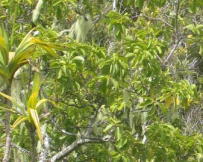
19.- Santalum Fernandezianum (Extinct)
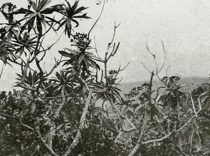
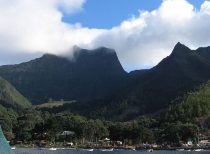
- Origin: Santalum Fernandezianum or Milda Fernandezianum, commonly referred to as the Chile Sandalwood, was a plant species belonging to the Santalaceae family. This particular species was native exclusively to the Juan Fernández Islands, situated off the coast of Chile.
- Extraction: The essential oil was distilled from the heart-wood.
- Description: The tepals of this plant exhibit remarkable characteristics, including distinct lobes that are separate from the base of the tube and bright red fruits.
- Smell Type: Woody.
- Background: The last documented sighting of Santalum fernandezianum was in 1908, when Carl Skottsberg observed it. Sadly, the species faced extinction due to excessive harvesting for its aromatic wood.
Other Similar Plants
Mida Salicifolia (Previously Known as Willowleaf Sandalwood)
- Origin: It is a tree endemic to the North Island of New Zealand. May also be found in Hawaii.* Currently, is not longer recognized as a Sandalwood tree.
- Extraction: Not currently used for Sandalwood essential oil.
- Description: It is a small evergreen tree with green leaves.
- Smell Type: Flowery and woody.
- Background: This flowering plant species belongs to the family Santalaceae. It is the sole species in genus Mida.
- Known synonyms: Fusanus cunninghamii, Fusanus eucalyptoides, Mida cunninghamii, Mida eucalyptoides, Mida myrtifolia, Mida undulata, Santalum cunninghamii, Santalum mida, Santalum salicifolium
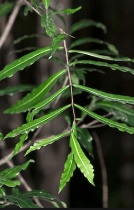
About Our Sandalwood Essential Oil ✨
Distillation Process
Our extraction process of this oil through the steam distillation process from the heartwood of mature trees. 🌿
Sandalwood Types
Individual Oils
We use Santalum Album (Indian Sandalwood) for our 60 ml essential oil due to it’s great quality and delicate aroma. Its profile has an harmonious blend of sweet, woody, and floral creamy notes. It can best be described as long-lasting and soft.
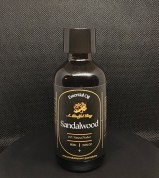
Why Santalum Album is Our Preference
There are several reasons why Santalum Album stands out as our preferred variety of sandalwood:
- Exceptional Quality: Santalum Album is renowned for its superior quality due to various factors such as the age of the trees, growing conditions, and extraction methods. The heartwood of mature Santalum Album trees possesses the highest concentration of aromatic compounds, resulting in a more potent and captivating scent.
- Fragrance Profile: The unique fragrance profile of Santalum Album is what truly sets it apart. Its delicate and enchanting scent, characterized by a harmonious blend of sweet, woody, and floral notes, makes it a versatile and highly prized ingredient in perfumery and aromatherapy.
- Therapeutic Properties: Santalum Album is believed to possess a wide range of therapeutic properties. It has been traditionally used for its calming and grounding effects, promoting relaxation, reducing stress, and enhancing meditation practices. Its antimicrobial and anti-inflammatory properties also make it beneficial for skincare and acne management.
- Cultural Significance: Santalum Album holds immense cultural significance, particularly in Indian and Ayurvedic traditions. It is revered for its spiritual and sacred qualities, with sandalwood paste and oil being used in religious rituals, ceremonies, and meditation practices.
- Sustainability: While sandalwood has faced challenges of overharvesting and illegal logging, efforts are being made to ensure sustainable management and conservation. Santalum Album is cultivated in plantations, allowing for responsible harvesting and replanting practices, ensuring the longevity and sustainability of this precious resource.
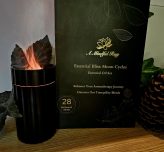
Essential Oil Gift Boxes
For our 25 and 28 essential oil gift boxes we use a combination of S. Paniculatum (Hawaiian) and Bitter Quandong (Australian). These have a strong woody aroma with earthy subtones. Even though these share similarities with Santalum Album, their profiles have different nuances.

Sustainable Sourcing
We are committed to taking care of our planet. As such, we have sustainable sourcing practices and strict quality control measures to ensure a premium-grade product, while promoting a green supply chain. In fact, we have a certificate of analysis to validate the quality of our sandalwood oil. ✨
Quality Assurance
Oil quality of Indian sandalwood is defined by an International Standard (ISO/FDIS 3518 2002). The two main desirable oils are alpha (a) and beta (b) santalols with a combined total content of santalols up to 90%. The ISO standard range for alpha (a) is between 41–55% and beta (b) is 16–24%. This standard has been set due to the great variation in the occurrence and concentration of santalols among sandalwoods (Doran et al. 2005a).

Our raw materials are sourced from trusted suppliers who share our commitment to quality and sustainability. Our main suppliers have ISO-9001, ISO-22716, and GMP Certifications.

The GMP certification gives manufacturers a solid reputation as a trustworthy and responsible facility. This certification protects consumers from potentially harmful medicines/supplements. ✅

About Our Factories
Our facilities are situated in China and utilize a diverse selection of sandalwood species, including Bitter Quandong, Santalum paniculatum, Santalum lanceolatum, and Santalum album. These species are sourced through a combination of responsible importation and sustainable cultivation practices in various regions, including Taiwan, India, Hawaii, and Australia. 🇺🇸 🇦🇺 🇮🇳 🇨🇳

Conclusion
Sandalwood is a cherished essential oil that has been valued for centuries for its ability to promote a sense of tranquility and calmness. The warm, exotic, and woody aroma of sandalwood creates a serene atmosphere that has a profound holistic impact on the mind and body, helping to alleviate stress, anxiety, and restlessness. Additionally, sandalwood offers exceptional skincare benefits, making it a popular option in the beauty industry.
As such, Sandalwood has rightfully earned its place as one of the top choices for aromatherapy and relaxation in the realm of essential oils due to its exceptional soothing and relaxing qualities.
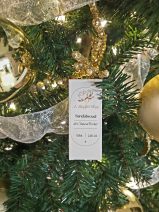
In the diverse world of sandalwood, each variety offers unique olfactory encounters. Particularly, Santalum Album, Spicatum, Austrocaledonicum, and Paniculatum stand out as some highly regarded options for embracing the captivating world of sandalwood.
Whether inhaled through diffusers, used in massage oils, or incorporated into skincare routines, sandalwood offers a holistic and tranquil experience that promotes well-being and serenity.
Embrace the captivating essence of sandalwood and unlock a world of tranquility and well-being. Give this extraordinary essential oil a try and immerse yourself in its soothing embrace.

#SandalwoodEssentialOil #EssentialOilBenefits #NaturalWellness #Aromatherapy #HolisticHealth #HealthyLifestyle #OrganicBeauty #SelfCareSunday #SandalwoodBenefits #EssentialOilUses #PureEssentialOils #NaturalRemedies #SandalwoodScent #MindBodySpirit #PlantBasedLiving #Sandalwood #SandalwoodTypes #AMindfulRay #Santalum
Sources
- Doran JC, Thomson L, Brophy JJ, Goldsack B, Bulai P, Faka’osi T, Mokoia T. 2005. Variation in heartwood oil composition of young sandalwood trees in the south Pacific (Santalum yasi, S. album and F1 hybrids in Fiji, and S. yasi in Tonga and Niue). Sandalwood Research Newsletter. 20:3–7. Retrieved 2024-02-06
- NatureFiji – MareqetiViti. 2008-04-23. Retrieved 2024-02-06
- “Farm and Forestry Production and Marketing Profile for Sandalwood (Santalum species)”. Thomson Lex A.J., Doran J., Harbaugh D., and Merlin M.D. Retrieved 02-06-2024.
- https://www.discoverlife.org/mp/20q?search=Santalum+salicifolium
- “Santalum lanceolatum“. Australian Plant Census. Retrieved 02-06-2024.
- Allen, James A. (2003-01-01). “Santalum freycinetianum Gaudich”. Tropical Tree Seed Manual. Reforestation, Nurseries & Genetics Resources. Retrieved 02-06-2024.
- “Santalum yasi“. Germplasm Resources Information Network. Agricultural Research Service, United States Department of Agriculture. Retrieved 02-06-2024.
- Western Australian Herbarium, Biodiversity and Conservation Science. “Florabase—the Western Australian Flora”. florabase.dbca.wa.gov.au. Retrieved 02-06-2024.
- “Santalum L.” Australian Plant Name Index (APNI), IBIS database. Centre for Plant Biodiversity Research, Australian Government. Retrieved 02-06-2024.
- “Santalum L.” FloraBase. Western Australian Government Department of Biodiversity, Conservation and Attractions. Retrieved 02-06-2024.
- Santalum L. Plants of the World Online. Retrieved 02-06-2024.
- “Santalum austrocaledonicum“. Germplasm Resources Information Network. Agricultural Research Service, United States Department of Agriculture. Retrieved 02-06-2024.
- “Santalum Pyrularium”, Native Plants Hawai’i Retrieved 02-06-2024.
- Akihiro Nishimura, Tadashi Kajita & Koji Takayama (2020) The complete chloroplast genome of a hemiparasitic plant Santalum boninense (Santalaceae), endemic to the Bonin (Ogasawara) Islands, Mitochondrial DNA Part B, 5:2, 1386-1387, DOI: 10.1080/23802359.2020.1735963
- “Santalum boninense – Uses, Benefits & Care” Retrieved 02-06-2024.
- World Conservation Monitoring Centre (1998). “Santalum fernandezianum“. IUCN Red List of Threatened Species. 1998: e.T30406A9544750. doi:10.2305/IUCN.UK.1998.RLTS.T30406A9544750.en. Retrieved 02-06-2024.
- Butaud, Jean-François & Bianchini, Jean-Pierre & Bouvet, Jean-Marc & Defranoux, Stéphane & Lhuillier, Emeline & Raharivelomanana, Phila. (2018). Santalum insulare.
- May 2009. Journal of Essential Oil Research 21(3):249-253. DOI:10.1080/10412905.2009.9700161 Retrieved 02-06-2024.
- Page, G. K. Jeffrey, P. Macdonell, D. Hettiarachchi, M. C. Boyce, A. Lata, L. Oa & G. Rome (2020) Morphological and heartwood variation of Santalum macgregorii in Papua New Guinea, Australian Forestry, 83:4, 195-207, DOI: 10.1080/00049158.2020.1841440. Retrieved 02-06-2024.
 A Mindful Ray