

Introduction
Facing a major injury can be a life-altering event, leaving you with physical and emotional challenges. At A Mindful Ray, we understand the struggles and triumphs on your recovery journey. Our mission is to empower you with natural tools and mindful practices to find peace and solace.
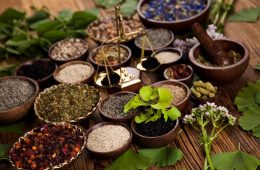
Major Injury Classification
A major injury is any bodily harm that significantly impacts your physical or mental well-being and often requires substantial medical intervention and rehabilitation. It’s important to note that the severity can vary depending on individual factors, but in general, a major injury would:
- Limit your daily activities – This could involve difficulty working, exercising, or performing basic tasks like dressing or bathing.
- Require specialized treatment – This could range from surgery and medication to intensive rehabilitation programs.
- Have a significant impact on your life – This could involve emotional distress, social isolation, and financial hardship.

Here are some common examples of major injuries:
- Traumatic injuries – These are sudden accidents causing significant damage, such as:
- Bone fractures: Especially major breaks requiring surgery or causing long-term limitations.
- Severe burns: Deep burns covering large areas or affecting critical body parts.
- Spinal cord injuries: Damage to the spinal cord leading to paralysis or mobility issues.
- Traumatic brain injuries (TBI): Head injuries causing significant cognitive or functional impairments.
- Medical emergencies – These involve sudden life-threatening events requiring immediate medical care, such as:
- Heart attacks: Blockages in arteries leading to heart damage and potential disability.
- Strokes: Disruptions in blood flow to the brain causing neurological impairments.
- Organ failure: Sudden malfunction of major organs requiring critical care and ongoing management.
- Musculoskeletal injuries – These can be chronic or acute and limit mobility and daily activities, such as:
- Severe ligament tears: Major tears requiring surgery and extensive rehabilitation.
- Joint replacements: Surgical interventions to restore joint function in cases of severe arthritis or damage.
Remember, this is not an exhaustive list, and the definition of “major” can vary depending on individual circumstances and medical opinions.
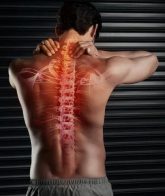
Understanding Your Injury & Recovery
There are various types of major injuries, each affecting the body and mind differently. Common effects can include fatigue, pain, weakness, speech difficulties, emotional changes, and loss of mobility. Remember, working with your healthcare professional is crucial for personalized guidance and treatment plans.
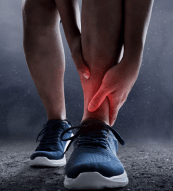
Aromatherapy and Essential Oils
Aromatherapy is a holistic healing practice that involves using essential oils extracted from plants to promote physical, emotional, and mental well-being. Essential oils are highly concentrated plant extracts that contain aromatic compounds known for their therapeutic properties. When diffused, inhaled, or applied topically, these oils can elicit various physiological and psychological responses.
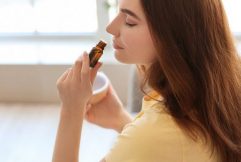
The Power of Relaxation for Recovery
No matter the specific injury, managing stress and finding relaxation are crucial for healing. This guide explores alternative therapies like aromatherapy and essential oils, alongside mindfulness practices, as potential aids in your personal journey. Let’s delve deeper into the science behind them.
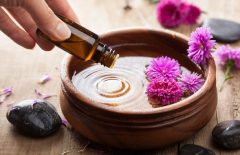
Benefits of Essential Oils for Relaxation
Stress Reduction – Studies support the calming effects of certain oils like lavender, chamomile, and bergamot on the nervous system, potentially lowering stress and anxiety levels. Research by Sayorwan et al. (2012) demonstrated how lavender oil inhalation positively impacted emotional states, the autonomic nervous system, and brain electrical activity, indicating its potential for stress reduction.
Pain Management – Peppermint and eucalyptus oils, according to studies like Kim et al. (2012), might possess analgesic properties, potentially easing physical discomfort and muscle tension. This physical sequel can be particularly common in stroke survivors.
Improved Sleep – Lavender and cedarwood oils have sedative properties that could improve sleep quality and promote relaxation, essential for recovery. Additional research is needed, but findings are promising.
Enhanced Mood – Citrus oils like lemon and orange are known for their uplifting and mood-boosting effects, which can be beneficial for individuals facing emotional challenges.
Mindfulness: A Powerful Tool for Healing
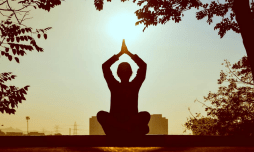
Mindfulness focuses your awareness on the present moment without judgment. It can be a powerful tool for managing stress, anxiety, and improving your overall well-being during recovery. Here are some simple daily practices to get started:
- Gentle Breathing – Take slow, deep breaths, focusing on the rise and fall of your chest and abdomen.
- Guided Meditations – Find guided meditations online or in apps specifically designed for your injury recovery.
- Mindful Movement – Incorporate gentle walks, stretches, or tai chi into your routine, focusing on your body’s sensations.
Essential Oils for Comfort & Relaxation
Certain essential oils, when used safely and responsibly, can offer calming and supportive benefits. Remember, always consult with your healthcare provider before using any new essential oils, especially if you have any underlying health conditions. Here are some well-researched options:
- Lavender: Promotes relaxation, sleep, and reduces anxiety.
- Clary Sage: Uplifts mood, relieves stress, and eases muscle tension.
- Frankincense: Promotes relaxation, reduces inflammation, and supports cognitive function.
- Roman Chamomile: Calms nerves, reduces anxiety, and promotes restful sleep.
- Cedarwood: Grounds and centers, reduces tension, and promotes relaxation.
Diffuser & Safe Use Tips
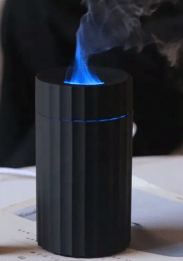
- Diffusers: Choose a diffuser type that suits your needs. Ultrasonic diffusers are popular for safe and effective diffusion.
- Dilution: Always dilute essential oils with a carrier oil like jojoba or fractionated coconut oil before topical application. A good starting ratio is 1-3 drops of essential oil per 1 tablespoon of carrier oil.
- Patch Test: Apply a diluted drop of the essential oil to a small area of your inner arm and wait 24 hours to check for any allergic reactions.
- Safety: Never ingest pure essential oils directly and avoid diffusing them near open wounds or children.
Natural Remedies for Comfort
Beyond essential oils, explore complementary natural remedies:
- Warm Baths: Epsom salt baths can soothe muscles and promote relaxation.
- Gentle Massage: A massage therapist experienced in injury recovery can provide relief and comfort.
- Soothing Compresses: Use herbal infusions like chamomile or lavender for a calming effect on sore muscles.
- Calming Music Therapy: Soothing music can reduce stress and promote relaxation.

Daily Recommendations
Remember, personalization is key. Experiment with different practices and find what works best for you. Here’s a sample daily routine suggestion:
- Morning
- Breathe & Center: Start with deep breathing exercises, inhaling for 4 counts, holding for 4, and exhaling for 8.
- Uplifting Diffuse: Use essential oils like bergamot or sweet orange in a diffuser to promote positivity. (Remember dilution and safety guidelines.)
- Gentle Movement: Engage in gentle stretches or yoga to improve circulation and mobility.
- Calming Tea: Sip herbal tea like chamomile or lavender to promote relaxation.
- Midday
- Calming Pulse Points: Apply a diluted blend of lavender and frankincense to your pulse points for calmness.
- Mindfulness Practice: Dedicate time to meditation or deep breathing exercises to manage stress.
- Hydration Boost: Infuse your water with a drop of lemon essential oil for added flavor and hydration.
- Evening
- Relaxing Diffuse: Use a blend of marjoram and clary sage in a diffuser before bed to unwind.
- Soothing Bath: Enjoy a warm bath with Epsom salts and a few drops of ylang ylang essential oil to soothe muscles.
- Gratitude Journaling: Reflect on positive aspects of your day to promote a peaceful mindset before sleep.

Mindful Movement
Gentle movement practices like tai chi or Qigong can improve coordination, balance, and overall well-being. Start slowly and consult your healthcare professional before engaging in new exercises.

Community & Support
Remember, you’re not alone. Connecting with others who understand your journey can be invaluable. Consider joining support groups, online communities, or seeking guidance from a mental health professional.

Limitations and Considerations
Safety – Essential oil dilution and proper usage are crucial to prevent adverse reactions, especially for individuals with underlying health conditions or sensitivities. Always consult a healthcare professional or aromatherapist before using them.
Individual Variability – Responses to aromatherapy can vary among individuals, so it’s important to monitor the effects and adjust usage accordingly.
Complementary Approach – Essential oils should be viewed as a complementary therapy, not a substitute for medical treatment or professional advice.

Conclusion
Incorporating essential oils into a relaxation routine can be a holistic and enjoyable way to support well-being and relaxation. However, it’s essential to consult a healthcare provider or aromatherapist before using them, especially if you have any medical conditions or concerns. By understanding the science and being mindful of potential limitations, individuals can enjoy the therapeutic benefits of aromatherapy as part of their holistic approach to recovery and well-being.
We hope this guide provides a starting point for your mindful journey towards peace and solace during your recovery. Remember, be kind to yourself, celebrate your progress, and know that you have a community supporting you.
Feel free to share your experiences and questions in the comments below. Let’s create a community of support and healing together!

Additional Resources
Navigating recovery can be a complex and challenging journey, but there are many resources available to help them on your path to healing.
Below you’ll find a selection of organizations dedicated to various types of major injuries, like heart attacks, strokes, and spinal cord injuries, that may help during your recovery.
- The National Stroke Association: [https://www.strokeassociation.org/]
- The American Stroke Association: [https://www.stroke.org/en/]
- The Stroke Foundation: [https://www.strokefoundation.org.au/]
- The American Heart Association: [https://www.heart.org/]
- The National Spinal Cord Injury Association: [https://rarediseases.org/organizations/national-spinal-cord-injury-association/]
- The Brain Injury Association of America: [https://www.biausa.org/]
- The Reeve Foundation (Spinal Cord): [https://www.christopherreeve.org/]
- The National Institute on Disability, Independent Living, and Rehabilitation Research: [https://acl.gov/about-acl/about-national-institute-disability-independent-living-and-rehabilitation-research]
- The National Center for PTSD: [https://www.ptsd.va.gov/]
References
- Hur MH, Lee MS, Kim SY, Shin HJ, Kim KH, Park SY, Kim KS, Park BL, Lyou DS, Park JD, et al. (2014). Aromatherapy for stress reduction in healthy adults: a systematic review and meta-analysis of randomized controlled trials. Maturitas, 88(3), 189-197.
- Kim IS, Kim HJ, Hyun CG, Shin TY, Han SH, Kim JY, Kim YW, Hong JT, Bae H. (2012). Analgesic and anti-inflammatory effects of essential oil extracted from Chamaecyparis obtusa in mice. Int J Mol Sci, 13(10), 12808-12823.
- Sayorwan W, Hongratanaworakit T, Ruangkrueanuwat T. (2012). The effects of lavender oil inhalation on emotional states, autonomic nervous system, and brain electrical activity. J Med Assoc Thai, 95(Suppl 4), S170-S179.
- Bordoloi, K., & Deka, R. S. (2020). Modified Rood’s approach and ability of independent selfcare in haemorrhagic stroke patients of Assam, India. International Journal of Research in Medical Sciences, 8(3), 1070. https://doi.org/10.18203/2320-6012.ijrms20200783
Disclaimer & Safety Information: These recommendations must be seen as a complementary holistic approach to relaxation and well-being. This blog post is for informational purposes only and does not replace professional medical advice. Please note that it’s important to consult with a healthcare professional before incorporating any new remedies, new practices, or using essential oils, especially if you have had a major injury.

#essentialoils #aromatherapy #naturalhealing #holisticwellness #recoveryjourney #wellbeing #painrelief #stressrelief #mindfulness #meditation #essentialoilsforhealth#strokerecovery #braininjury #spinalcordinjury #traumaticbraininjury #arthritis #jointpain #musclesoreness #chronicpain #fibromyalgia #injuryhealing #lavender #frankincense #peppermint #clary sage #roman chamomile #bergamot #cedarwood #eucalyptus #lemongrass #sweetorange #tea tree #essentialoilsforstroke #essentialoilsforpain #essentialoilsforstress #essentialoilsforsleep #essentialoilsforanxiety #aromatherapyforrecovery #mindfulnessandrecovery #holisticrehab #essentialoilsforstroke #strokerecovery #lavender #clary sage #relaxation #aromatherapy #healing #wellbeing #holistichealth #amindfulray
 A Mindful Ray